
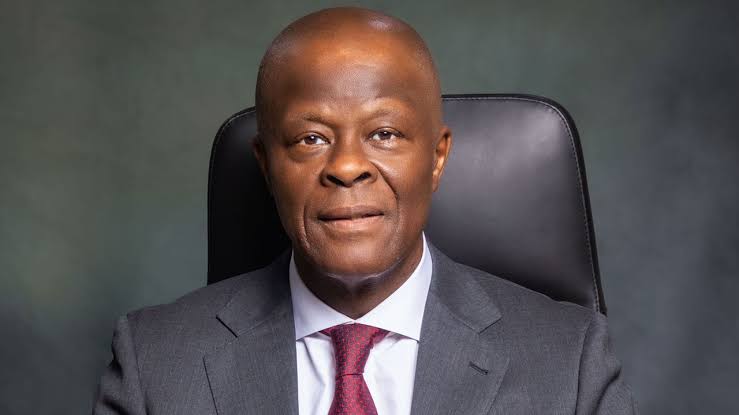
Minister of Finance, Mr Wale Edun has urged West African Parliaments to strengthen their oversight, deepen fiscal discipline, and ensure public resources deliver real and measurable value to the people.
Edun gave the charge on Monday at the opening ceremony of the 11th Annual Conference and General Assembly of the West Africa Association of Public Accounts Committees (WAAPAC) in Abuja.
The News Agency of Nigeria (NAN) reports that the theme of the week-long conference is, “Strengthening Parliamentary Oversight of Public Debt.”
The conference brought together lawmakers from Benin, Burkina Faso, Cote D’Ivoire, Ghana, Guinea, Liberia, Mali, Niger, Nigeria, Senegal, Sierra Leone, The Gambia, Togo and participants from South Africa.
The minister said that the conference came at a defining moment of rising debt and servicing costs, constrained revenues, and shrinking development finance while demands for infrastructure, education, healthcare, and social protection intensified .
“Parliaments must srengthened budget credibity, align borrowing with development priorities, champion transparency and accountability, support institutional reforms and enhance budget monitoring.
“Together, we can build a fiscal architecture that balances today’s needs with tomorrow’s opportunities,” he said.
Edun said that President Bola Tinubu-led administration is building a strong, resilient, and inclusive economy where the private sector drives growth while government serves as enabler and catalyst.
Edun said that government’s role was not to crowd out private enterprise, but to remove distortions, unlock opportunities and create the right conditions for investment and job creation.
The Speaker of the House of Representatives, Rep. Abbas Tajudeen said that Africa’s total public debt reached $1.8 trillion by 2022, with external debt alone surpassing $1 trillion in 2023.
He said that several African countries were already in dangerous debt-to-GDP territory, with many governments spending more on servicing loans than on healthcare and essential services.
Tajudeen said that private western lenders held about 35 percent of Africa’s government debt, compared to China’s 12 percent.
He warned that the high cost of commercial loans and repayment in foreign currencies leave African economies vulnerable to shocks and limit domestic policy choices.
Tajudeen proposed a West African Parliamentary Debt Oversight Framework to harmonise debt reporting across the region.
According to him, this is to establish common transparency standards, and strengthen bargaining power in international negotiations.
The speaker announced Nigeria’s readiness to work with WAAPAC and development partners for a capacity-building programme for finance and public accounts committees across West Africa.
He explained that the initiative would equip members and staff with modern tools for debt sustainability analysis, fiscal risk assessment, and oversight of complex financial instruments.
“Oversight must not only be parliamentary, but also people-driven; citizens have the right to know, and we have the duty to inform them,” Abbas said.
He stressed that debt should fund infrastructure, health, education, and job creation not reckless spending or corruption.
Tajudeen urged participants to use the conference as a platform for solidarity and peer learning, emphasising that unsustainable debt in one country could destabilise the entire sub-region.
The Chairman, Public Accounts Committee, Rep. Bamidele Salam said
the committee embraced a proactive framework that emphasized total compliance with fiscal rules, recovery, capacity development of members and robust post-legislative scrutiny.
Salam said that in the last one year, the committee, recovered over N200 billion ($150 million) of lost revenue for the Federal Government.
He said that the committee successfully completed committee reports that had been considered and adopted by the House for the first time since 1999 when Nigeria returned to democracy.
Salam said that the committee spearheaded the passage of the audit bill in the House, urging the Senate counterpart to do same.
The lawmaker said that the committee also embarked on strategic efforts to digitalise the PAC hearing process and internal operations, thereby enhancing transparency, efficiency and acceptability.
“We launched the PAC magazine, a special publication that provides citizens, development partners and stakeholders with timely and insightful reports on our activities, our findings and our recommendations.
“Additionally, we have strengthened strategic partnerships with civil society organizations, the media, professional bodies, recognising them as indispensable allies in the collective post of good governance and effective oversight,” he said. (NAN)