
The Nigeria Centre for Disease Control and Prevention (NCDC) has confirmed 318 cases of Lassa fever and 70 deaths across the country since the beginning of 2026.
NCDC Director General and Chief Executive Officer, Dr Jide Idris, disclosed this in a press briefing on Friday.
He said a total of 1,469 suspected cases have been recorded, giving a case fatality rate of 22 per cent.
According to Idris, five states – Edo, Ondo, Taraba, Bauchi, and Ebonyi – account for 91 per cent of all confirmed cases. Ten local government areas make up 68 per cent of infections.
To contain the outbreak, Idris stated that the NCDC has deployed the National Rapid Response Team to eight reporting states (Bauchi, Ondo, Taraba, Edo, Plateau, Benue, Jigawa, and Plateau).
He noted that the agency is also working with state governments to strengthen surveillance, case management, and community engagement.
“Protecting healthcare workers is a key priority,” Dr Idris said, noting that 15 healthcare workers have been infected so far this year. Low risk perception and poor infection control in some facilities are contributing factors.
The NCDC highlighted challenges, including inadequate contact tracing, delayed care-seeking, and limited state funding for prevention activities, which can increase the risk of infections and fatalities.
Idris emphasised the role of state governments in active case search, community risk communication, and strict enforcement of infection prevention and control practices.
He also warned against misinformation and rumours, such as the recent false outbreak report at the Kwara State NYSC camp, which can hinder containment efforts.
Idris urged Nigerians to practice environmental hygiene, store food safely, control rodents, and seek prompt medical attention to help reduce the spread of Lassa fever.
Lassa fever is an acute viral haemorrhagic illness caused by the Lassa virus, a member of the arenavirus family.
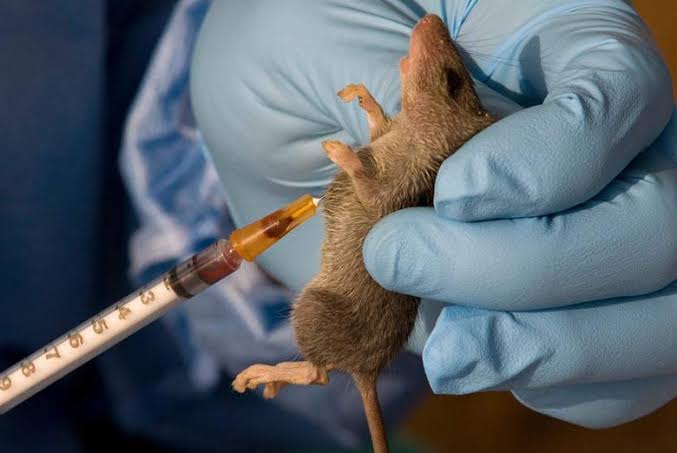
It is an animal-borne, acute viral illness spread by the common African rat, also known as the Mastomys rat.
It is endemic in Nigeria and other parts of West Africa.