
Nigeria has been plunged into yet another wave of sorrow as a string of violent incidents across Adamawa, Anambra and Sokoto States claimed dozens of innocent lives, drawing renewed calls for firm and compassionate leadership.
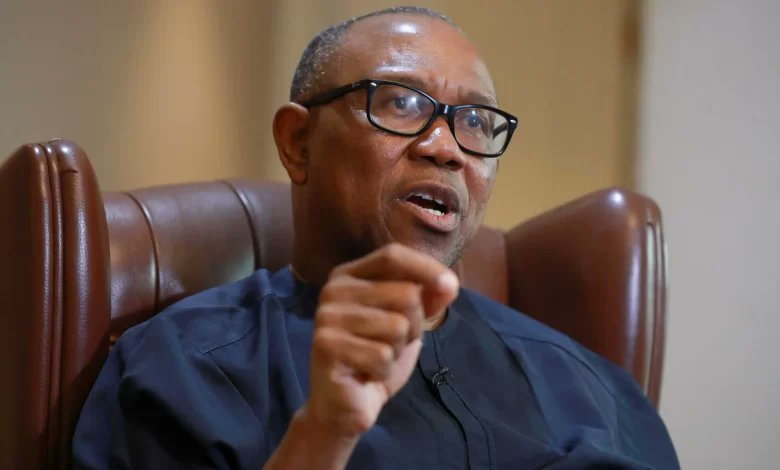
In a painfully reflective statement, former presidential candidate Peter Obi lamented the country’s recurring heartbreak, describing the recent incidents as “a Nation of an unending tragedy.”
Over the past few days, Nigerians have been confronted with grim reports: worshippers killed in Anambra, seven women protesters shot dead in Adamawa, and a fresh round of bandit attacks in Sokoto that left seven more citizens dead. For Obi, these incidents are not isolated—they underline a deepening national crisis.
“No country aspiring to growth, stability, and prosperity can accept this level of violence as normal,” he said, stressing that Nigeria’s future is being undermined by unchecked insecurity.
According to him, security remains the backbone of national development.
“Without security, our schools cannot function, our farms cannot thrive, our businesses cannot grow, and our people cannot live with dignity,” he warned.
Obi pointed out that the killings in Anambra reflect a failure to safeguard citizens in spaces where they should feel most protected.
He added that the deaths of peaceful women protesters in Adamawa highlight a worrying erosion of trust between citizens and the security agencies meant to protect them.
Meanwhile, the Sokoto attacks, he noted, are another reminder that banditry continues to ravage communities despite repeated assurances from authorities.
“Nigeria cannot continue like this,” Obi declared, insisting that the country urgently needs leadership that values every life—regardless of region, religion, gender, or status—and is committed to delivering justice for victims.
But he did not stop at security. He argued that the roots of instability run deeper, tied to poverty, unemployment, weakened institutions, and limited opportunities.
A nation that leaves millions behind, he cautioned, will always struggle with unrest.
That is why he reiterated his long-standing call for investment in education, healthcare, and economic empowerment.
A secure Nigeria, he said, is one where citizens “are educated, healthy, economically included, and confident that justice will be served when wrongs are committed.”
As families mourn their loved ones, Obi urged the nation to transform its grief into resolve—resolve to build a country where tragedies no longer dominate the headlines and where leadership is anchored on empathy, competence, and accountability.
“May the souls of all those we have lost rest in peace. May their families find comfort. And may we, as a nation, find the courage to demand and build a safer, secure, and more united Nigeria,” he said.
He ended with a message of hope: “A New Nigeria is Possible.”