
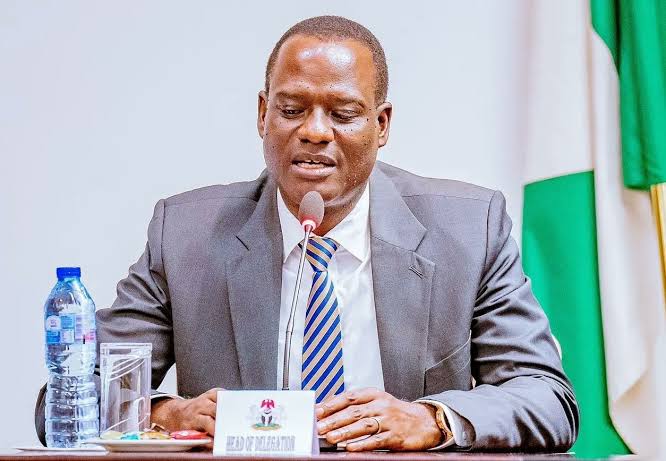
Presidential Fiscal Policy & Tax Reforms Committee has dismissed reports alleging that the Honourable Minister of State for Finance, Taiwo Oyedele, admitted errors in Nigeria’s newly introduced tax laws, describing the claims as misleading and a distortion of his remarks.
In a press statement issued on April 11, 2026, the committee raised alarm over what it described as “fake news” circulating in parts of the media, asserting that the reports misrepresented the minister’s comments and created confusion among the public.
According to the committee, “Our attention has been drawn to misleading media reports claiming that the Honourable Minister of State for Finance, Mr. Taiwo Oyedele has ‘finally admitted errors in the new tax laws.’ These publications misrepresent the Minister’s statements, falsely alleging that he urged Nigerians to await the outcome of a ‘legislative probe’, a process that has long been concluded and the gazetted copies certified by the National Assembly published since early January 2026.”
The committee warned that the narrative could undermine public understanding of the reforms and derail confidence in the policy direction.
“This twisted narrative is unhelpful as it risks distorting public understanding and misleading the very people the reforms were designed to benefit,” the statement added.
The committee clarified that Oyedele made his remarks during a fireside chat at the Nigerian Bar Association Section on Legal Practice conference held in Lagos, where he outlined early gains from the newly enacted tax laws.
According to the statement, the minister “highlighted the early positive impact of the new tax laws, including thousands of informal businesses now seeking CAC registration daily while the number of individuals registered for tax purposes nationwide has increased from barely 10 million before the reform to over 100 million.”
The committee noted that the surge in registrations reflects growing compliance and improved public trust in the tax system, driven by the progressive structure of the reforms.
The committee outlined several features of the new tax regime which, it said, were responsible for the early success recorded. These include:
Exemption of small companies from tax, increased exemption thresholds for low-income earners, tax exemptions on basic consumption items such as food, education, healthcare, transportation, rent and the introduction of a Tax Ombud to protect taxpayer rights
According to the committee, these provisions represent a shift from what it described as regressive provisions in the previous tax laws.
The committee further clarified that while the minister acknowledged that no legislation is perfect, his comments were focused on continuous improvement rather than admission of errors.
“The Minister contrasted the transformative changes in the new laws with the regressive provisions in the old laws. He however emphasised that no law is perfect. Therefore, ongoing stakeholder engagement is essential to identify and address any errors or gaps for appropriate legislative updates through Finance Bills as part of a continuous improvement process,” the statement explained.
The committee urged Nigerians to rely on verified sources for information relating to government fiscal reforms.
“We urge members of the public to disregard sensational headlines and twisted narratives and rely exclusively on official sources and credible media organisations for accurate information regarding the tax reform and other government policies.”