
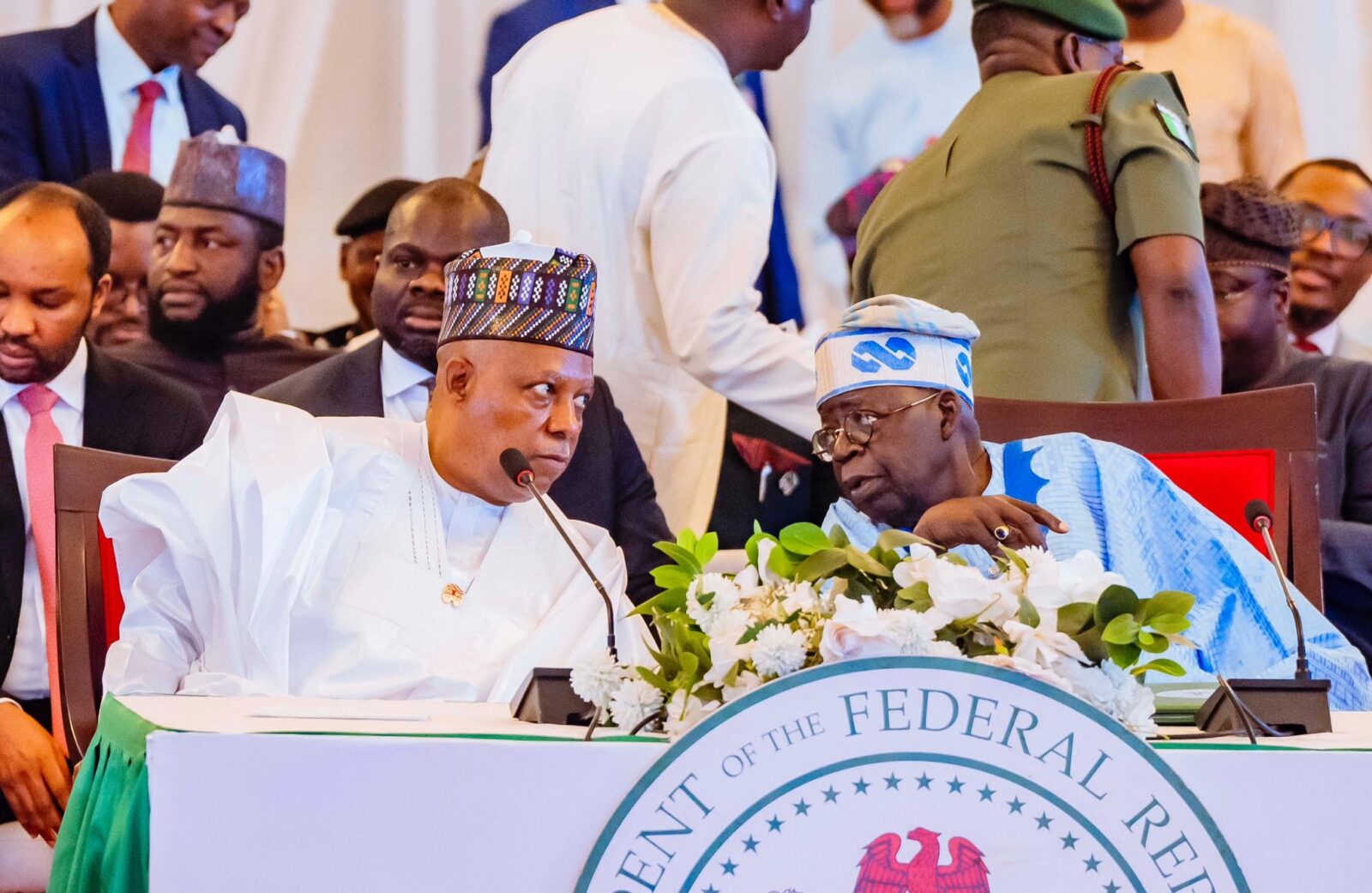
President Bola Ahmed Tinubu on Monday formally unveiled the Renewed Hope National Development Plan 2026–2030, describing it as a decisive shift from economic recovery to long-term, inclusive and sustainable national transformation driven largely by states and local governments.
Speaking at the Second Edition of the National Economic Council (NEC) Conference at the State House, Abuja, the President said Nigeria stood “at a defining crossroads” and must move beyond policy declarations to practical, measurable outcomes that directly impact citizens.
“The theme of this Conference: ‘Delivering Inclusive Growth and Sustainable National Development: The Renewed Hope National Development Plan 2026–2030’ — speaks directly to our national aspirations,” Tinubu said.
“It reflects our resolve to move from recovery to transformation, and from narrow growth to one that is inclusive, resilient, and sustainable.”
The President commended the NEC, chaired by Vice President Kashim Shettima, for sustaining what he described as a critical platform for fiscal coordination and economic governance across the federal and subnational levels.
“NEC remains a cornerstone of fiscal federalism and economic governance in our country,” he stated.
Tinubu acknowledged the scale of Nigeria’s economic challenges, listing “macroeconomic imbalances, infrastructure deficits, unemployment, poverty, climate vulnerabilities, and limited fiscal space,” but stressed that ongoing reforms were laying a stronger foundation for future growth.
“Since the inception of this administration, we have undertaken bold and necessary reforms to stabilise the economy, restore confidence, and lay the foundation for long-term growth,” he said. “These reforms are instruments for delivering prosperity, dignity, and opportunity to all Nigerians.”
Highlighting progress made under his administration, the President noted improved revenue flows to states and councils, saying, “states and local governments now receive increased and more predictable FAAC allocations, improving their capacity to pay salaries, invest in infrastructure, and deliver social services.”
He also pointed to strengthened macroeconomic stability, expanded infrastructure development, and targeted social investment programmes aimed at vulnerable households, youths, women and small businesses.
According to Tinubu, the Renewed Hope National Development Plan 2026–2030 is “evidence-based, realistic, and anchored on inclusive, balanced, and environmentally sustainable growth,” with priorities ranging from economic diversification and human capital development to private sector-led growth and climate resilience.
He stressed that the plan’s success would depend largely on effective execution at the subnational level, making the NEC central to aligning national priorities with state-level realities.
“Its success will depend largely on effective implementation at the state and local government levels,” Tinubu said, adding that the council must drive “data-driven decision-making, peer learning among states, and innovative financing models.”
In a closing appeal, the President underscored the link between inclusive growth and national stability.
“Nigeria’s diversity is our strength. When every state grows, Nigeria grows. When growth reaches the poorest households, national stability is strengthened. When development is sustainable, our children inherit hope,” he said.
Describing the Renewed Hope Agenda as “a national compact,” Tinubu expressed confidence that outcomes from the conference would accelerate economic inclusion and sustainability across the country.
“I am confident that the resolutions of this Conference will accelerate inclusive growth and sustainable national development,” he said, before declaring the conference open.