
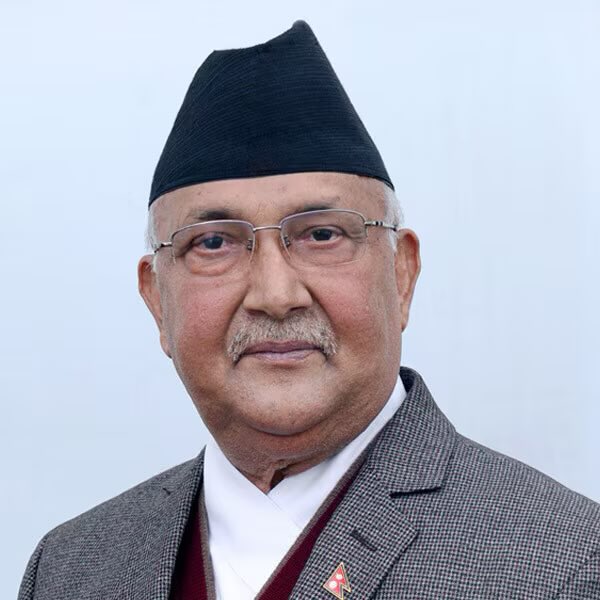
Nepal’s Prime Minister on Tuesday resigned following a violent crackdown on youth-led anti-corruption protests, prompting urgent appeals from the United Nations for restraint and dialogue.
No fewer than 19 people have been killed in Nepal, and over 100 injured, in large-scale youth protests that erupted in the capital and other cities on Monday following a Government ban on social media platforms.
Police used tear gas and opened fire on protesters attempting to storm the parliament complex in the capital, Kathmandu, according to media reports.
Curfews have been imposed in parts of the city and in Rupandehi, with restrictions on movement effective in Pokhara.
UN Resident Coordinator Hanaa Fikry Ahmed Singer described the situation as “so unlike Nepal” and feared that casualty numbers will rise.
“Lots of my staff here are crying. They haven’t seen violence in their lifetime,” she said.
The unrest, which began Monday as a self-styled “Gen Z protest” against rampant corruption, nepotism, and curbs on social media, quickly escalated after security forces responded with force.
Most of the dead and wounded were young demonstrators shot by police. Many remain hospitalised in a critical condition.
By Tuesday, demonstrations had spread across the country, with government buildings, political party offices, and even the Parliament in Kathmandu set ablaze.
Some political leaders’ homes were attacked, police stations overrun, and the international airport closed.
The Prime Minister was reportedly evacuated by helicopter from his official residence and his resignation was announced shortly afterward.
Several ministers at both the federal and provincial level as well as members of parliament have also stepped down in protest at the handling of the demonstrations, deepening the political fallout.
Expressing deep concern over the deaths and rapid deterioration, UN human rights chief Volker Türk warned that “violence is not the answer” and called on authorities and demonstrators alike to de-escalate the spiralling crisis.
Türk, in a statement, said he was “appalled by the escalating violence” and the “unnecessary and disproportionate use of force” against largely young demonstrators.
“Dialogue is the best and only way to address the concerns of the Nepalese people.
“It is important that the voices of young people are heard,” he stressed, urging both security forces to show restraint and protesters to refrain from destructive acts.
While condemning the crackdown, he also voiced concern about violence by some demonstrators.
“I am disturbed by reports of public buildings, businesses and private residences being attacked and, in some instances, set ablaze. Equally, I am concerned by reports of physical attacks on senior government officials.”
The protests came just days after the Nepalese government blocked more than 20 social media platforms such as WhatsApp, X and Facebook, as well as websites such as YouTube, for failing to register with the authorities.
The government wanted them to align to the internal laws as well because they have been concerned about misinformation, hate speech and social harmony, and to ensure oversight and monitoring,” she said.